
Yes—and no. The hydrogen locked inside H₂O is not the same as molecular hydrogen gas dissolved in your drinking water. That small distinction is the key to understanding hydrogen water.
AlkaWay Education · About 7 minutes
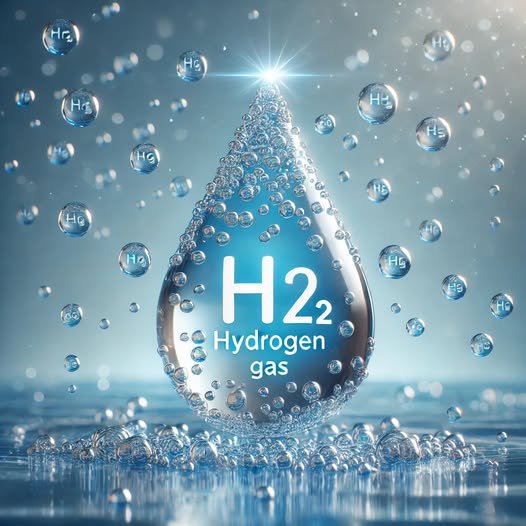
H₂ can be dissolved in water much as carbon dioxide is dissolved in sparkling water—although hydrogen water need not taste fizzy.
TL;DR
Ordinary water is H₂O, but its hydrogen atoms are chemically bound to oxygen. Hydrogen-rich water contains additional H₂ molecules dissolved in the water. H₂ is a tiny gas that escapes easily, so production method, storage and freshness matter. And if you want to know how much H₂ is present, measure H₂—not pH or ORP alone.
The simple answer: H₂O is not dissolved H₂
This is one of those questions that sounds cheeky, but is actually very sensible: if water is H₂O, doesn’t every glass already contain hydrogen?
It certainly does. Each water molecule contains two hydrogen atoms joined to one oxygen atom. But those atoms are part of the water molecule. They are chemically bonded. Your glass of water is not a loose collection of hydrogen and oxygen waiting to part company.
Hydrogen water is different. It contains ordinary H₂O plus a quantity of molecular hydrogen, written as H₂. An H₂ molecule is two hydrogen atoms bonded to each other. The gas is not converted into water; it sits among the water molecules in a dissolved state and may also appear as very fine bubbles.
Same elementVery different form
| What it is | Hydrogen chemically bonded to oxygen | H₂ gas dissolved in water |
|---|---|---|
| Where it comes from | The water molecule itself | Added by electrolysis, reaction or pressure |
| Typical amount | Every H₂O molecule | Measured in mg/L or ppm |
| Does it escape? | No — not without changing the water | Yes — H₂ gradually leaves the water |
A useful comparison is carbonated water. Every water molecule contains oxygen, but that is not the same thing as oxygen gas dissolved in water. Likewise, hydrogen atoms in H₂O are not the same as dissolved H₂ gas. Chemistry is fussy about form, and in this case the fuss matters.
A trace is not a useful dose
Does ordinary water contain any H₂?
It can contain minute traces. Hydrogen gas exists naturally in the atmosphere, and gases can move between air and water. But atmospheric hydrogen is present at a very low level, so the amount that finds its way into an open glass is correspondingly tiny.
That is not what manufacturers mean by hydrogen-rich water. They are talking about water deliberately produced with a measurable concentration of dissolved molecular hydrogen, normally reported in milligrams per litre (mg/L) or parts per million (ppm). In water, 1 mg/L is approximately 1 ppm.
The slippery little molecule
Why hydrogen is hard to keep in water
Hydrogen is the smallest molecule. Once it is dissolved, it has a strong tendency to leave the water and return to the air. This behaviour is described in part by Henry’s law: at a given temperature, the amount of a gas that dissolves in a liquid is related to the pressure of that gas above the liquid.
≈ 1.6mg/L H₂
Approximate saturation at room temperature and normal atmospheric pressure.
Increase the hydrogen pressure during production and more H₂ can be placed into the water. Reduce the pressure by opening a container and the dissolved gas begins moving towards a new balance. Warmer water, shaking, a large air space above the water and a poorly sealed container can all hasten the loss.
That does not mean every molecule disappears the instant you lift the lid. It means the clock has started. Hydrogen water is generally best treated as a freshly prepared drink, not something to leave in an open jug all afternoon.
Different roads to the same gas
How hydrogen water is made

There are several ways to put extra molecular hydrogen into drinking water. The names can sound impressively technical, but the basic job is simple: produce H₂ and encourage it to dissolve in clean water.
01
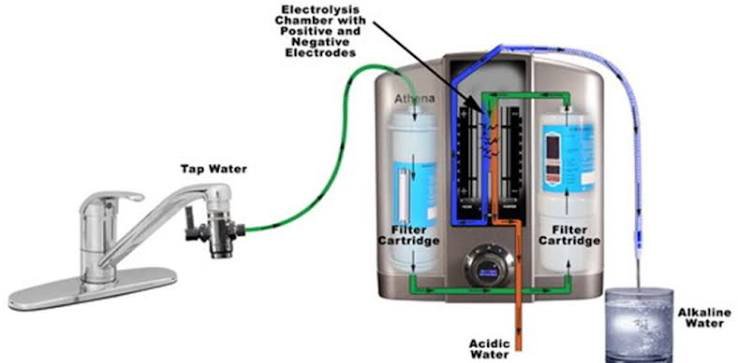
Electrolysis
An electrical process separates water at electrodes and produces hydrogen gas. Good systems manage the gas and water streams carefully.
02
Mineral reaction
Magnesium-based tablets or cartridges can react with water and release H₂. Formulation, water volume and waiting time affect the result.

03
Pressure
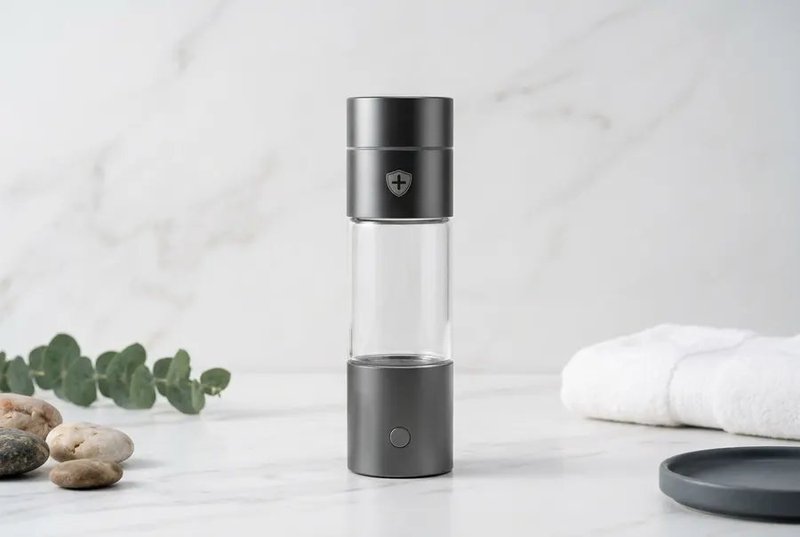
Commercial systems can dissolve hydrogen under pressure before sealing the water in suitable packaging.
Some devices produce both dissolved gas and very small bubbles. You may see the term “nanobubbles”, but it should not be used as a fancy substitute for every invisible bit of gas. A bubble and a dissolved molecule are not quite the same thing.
The method matters, especially where purity and by-products are concerned. But from a buyer’s point of view, the useful questions are more down to earth: Is the incoming water treated appropriately? What concentration is actually delivered? How was it tested? And how much H₂ remains when you drink it?
Don’t make it, then lose it
Why freshness and storage matter
H₂ does not add a strong flavour, colour or smell. That makes hydrogen water easy to drink, but it also means your senses cannot tell you how much remains. A glass can look exactly the same after much of its hydrogen has escaped.
The practical rule is wonderfully uncomplicated: make it fresh, keep it sealed and drink it reasonably soon.
A full, tightly sealed container generally protects the gas better than an open glass or half-empty bottle. Cooler water usually holds gas better than warm water. Shaking and pouring create more opportunity for H₂ to meet the air. The exact rate of loss depends on the container material, seal, temperature, movement and the amount of air above the water, so sweeping promises about “lasting all day” deserve evidence.
Three sensible questions..
What people usually ask next...
Is hydrogen water flammable?
Hydrogen gas can burn at suitable concentrations in air. The amount dissolved in a serving of hydrogen water is very small, however, and a properly used consumer product is not a glass of rocket fuel. Follow the maker’s safety and ventilation instructions for any gas-producing appliance.
Does all the H₂ vanish as soon as I open the bottle?
No. Loss begins when pressure is released and the water meets air, but it is gradual. How gradual depends on storage and handling. This is why a result measured at manufacture may not equal the result at the moment of drinking.
Is a higher ppm always better?
Not automatically. A larger number is not a health guarantee. Human research uses different doses, schedules and study populations, and the evidence is still developing. A credible, repeatable measurement is more useful than a spectacular number with no test method behind it.
Buying without the fog
What to look for in a hydrogen-water product
Hydrogen water is a young category, which means the science is sometimes followed by a small parade of marketing claims. You do not need a chemistry degree to ask better questions.
- Measure the right thing. Look for dissolved-H₂ testing in mg/L or ppm, ideally at the point and time of use.
- Ask how it is retained. For stored water, the seal and packaging matter. For a device, ask how soon the water should be consumed.
- Start with water quality. Adding H₂ does not magically remove unwanted contaminants. Filtration and hydrogen production are separate jobs, even when one system performs both.
- Count the ongoing cost. Include filters, tablets, servicing and any proprietary consumables—not just the price on the front of the box.
- Keep health claims in proportion. Molecular-hydrogen research is interesting and growing, but “promising” does not mean “proven to cure”.
One important trap: pH and ORP readings do not directly tell you the concentration of molecular hydrogen. They may change when a device operates, but they are influenced by several other features of the water. If the claim is about H₂, use a suitable dissolved-hydrogen test.
The bottom line
One word. Two very different meanings.
Yes, all water contains hydrogen as part of H₂O. Hydrogen-rich water contains something extra: molecular hydrogen gas, dissolved alongside the water molecules. That H₂ is measurable, temporary and easily lost—which is why good production, honest testing and sensible handling matter.
The health research deserves interest, not hype. Choose a product for the quality of its water, the credibility of its H₂ measurement and the practicality of using it fresh. The chemistry is fascinating. Your buying decision can still be refreshingly simple.
Explore water education at AlkaWay →
Health note: This information is educational and is not medical advice. Molecular-hydrogen research is evolving. Speak with a qualified health professional about your individual circumstances.