
TL;DR
Hydrogen inhalation delivers molecular hydrogen gas through a specialised generator, usually via a nasal cannula. It can provide more hydrogen than drinking hydrogen-rich water, without requiring a large fluid intake. Early human studies have produced encouraging findings in areas such as stroke and post-cardiac-arrest care, but the science is still developing and no universal therapeutic dose has been established. The machine’s hydrogen concentration, measured gas output, delivery method and safety engineering all matter. High-concentration hydrogen devices deserve particular caution because hydrogen is combustible. A breathing attachment on a water bottle or pitcher does not automatically make it a serious inhalation device.
Breathing is something we do thousands of times a day without thinking about it. Molecular hydrogen—or H₂—is also a gas. So it is hardly surprising that, alongside the growing interest in hydrogen-rich water, more people are becoming curious about breathing hydrogen directly.
But hydrogen inhalation is not as simple as attaching a tube to any hydrogen-producing device and taking a breath.
The concentration of hydrogen, the genuine gas-production rate, the way it is mixed with air or oxygen, and the engineering of the machine all matter. Just as importantly, hydrogen inhalation is still an emerging field. There is promising research, but there is also a great deal that has not yet been standardised.
Here are the four big questions to understand before considering hydrogen inhalation.

1. What exactly is hydrogen inhalation?
Hydrogen inhalation is simply another way of delivering molecular hydrogen to the body.
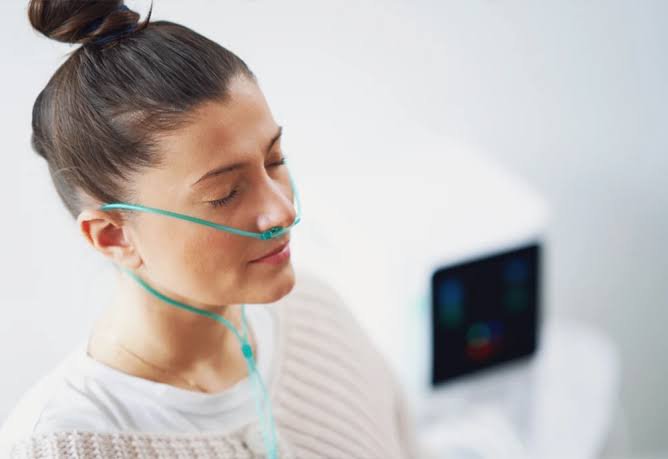
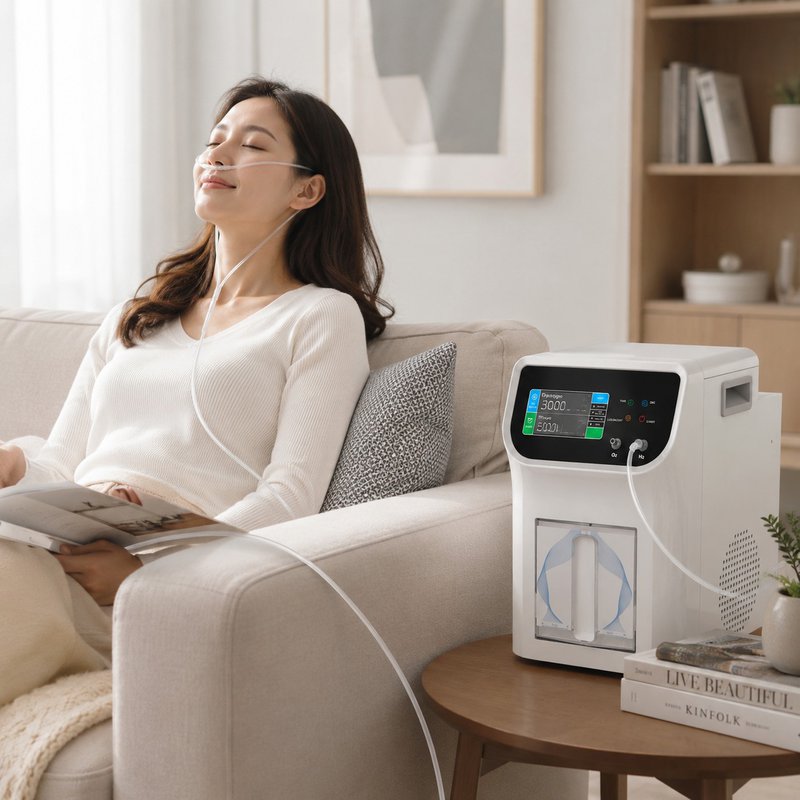
Instead of dissolving H₂ gas in water and drinking it, a specialised machine generates hydrogen gas that is breathed—most commonly through a nasal cannula. That is the small, lightweight tube with two prongs that sit just inside the nostrils.
Because hydrogen is the smallest molecule, it diffuses rapidly. After it is inhaled, it can pass through the lungs into the circulation and distribute through tissues. This is one reason researchers have been interested in inhaled H₂ in situations involving oxidative stress, inflammation and injury caused when blood supply returns after a period of oxygen deprivation.
Hydrogen is not being used here as an alternative source of oxygen. Depending on the system, it may be supplied as a low-concentration mixture with air or oxygen, or as hydrogen delivered through a nasal cannula while the user continues breathing room air.
That distinction matters. A pure-hydrogen outlet must never be treated as though it were an ordinary breathing-gas supply, and a face mask should not be improvised for a system intended only for cannula delivery.
2. Why are researchers interested in inhaled hydrogen?
It can deliver a larger quantity of H₂
Water can only hold a limited amount of dissolved hydrogen, and that hydrogen begins escaping as soon as the container is opened. Inhalation can deliver a substantially larger total quantity of H₂ over a session than can usually be obtained from a glass or bottle of hydrogen-rich water.
This does not automatically make inhalation “better.” Hydrogen water and hydrogen inhalation are different delivery methods, and the most suitable method may depend on the purpose, practicality and evidence available.
It doesn’t require drinking large volumes
Inhalation may be attractive when someone wants exposure to molecular hydrogen without continually drinking more water. That could be practically useful for people who already drink enough, dislike consuming large volumes, or need to manage their fluid intake.
It has been studied in serious clinical settings
A small 2017 randomised study involving 50 people with mild-to-moderate acute cerebral infarction used 3% hydrogen for one hour, twice daily, for seven days. The investigators reported no significant adverse effects and encouraging changes in neurological, rehabilitation and MRI measures.
In 2023, the multicentre HYBRID II trial studied 2% inhaled hydrogen for 18 hours in selected comatose patients after out-of-hospital cardiac arrest. The trial ended early because COVID-19 restrictions limited recruitment. Its primary neurological endpoint was not statistically significant, although some secondary outcomes—including 90-day survival—favoured the hydrogen group. That is promising, but it is not definitive proof; a larger trial is still needed.
Other studies have found that low-concentration hydrogen mixtures can be inhaled by healthy adults without clinically significant adverse effects under controlled conditions. Research is continuing across several fields.
This is the honest position: hydrogen inhalation is scientifically interesting and has encouraging human evidence, but it is not yet a standard treatment for the long list of conditions sometimes claimed online.
3. How much hydrogen does an inhalation machine really provide?
This is where product advertising can become confusing.
Two measurements are especially important:
- Hydrogen concentration, usually expressed as a percentage of the inhaled gas mixture.
- Hydrogen output or flow rate, usually expressed in millilitres per minute (mL/min).
A machine may advertise a high percentage of hydrogen but deliver only a very small volume of gas. Another may advertise a large total gas flow even though only part of that flow is hydrogen. To compare products properly, you need to know the actual H₂ output—not merely a vague statement such as “hydrogen breathing function.”
For example, if a machine produces 200 mL per minute of a gas mixture containing 3% hydrogen, that is not the same as producing 200 mL per minute of hydrogen itself.
The person’s own breathing also matters. An adult at rest typically inhales several litres of air each minute, while a nasal cannula allows some generated hydrogen to escape into the room. The final concentration actually reaching the lungs therefore depends on the machine, the delivery system, the user’s breathing and gas losses.
Research has used a wide range of concentrations, flow rates and session lengths. Consequently, there is currently no universally accepted consumer dose or scientifically established rule that everyone must inhale a particular number of millilitres per minute.
Flow rate still matters because it helps reveal whether a product is a genuine inhalation generator or mainly a hydrogen-water device with a low-output breathing attachment. But flow rate alone should not be presented as a guaranteed therapeutic dose.
Why electrical power provides a useful reality check
Electrolysis obeys well-established chemistry. The amount of hydrogen a machine can generate is related to the electrical current passing through its electrolysis cell. Real-world output may be reduced by inefficiency and by power used elsewhere in the machine—but a very low-powered device cannot magically produce an enormous continuous hydrogen flow.
When assessing a generator, ask for independently measured answers to these questions:
- What is the actual hydrogen output in mL/min?
- What percentage of the delivered gas is hydrogen?
- Is the quoted figure hydrogen output or total mixed-gas output?
- How was the output measured and verified?
- Is the unit designed and certified for inhalation, or is breathing merely an accessory feature?
4. What types of hydrogen inhalation systems exist?
Low-concentration hydrogen mixed with air
These systems mix hydrogen with air, often keeping the hydrogen percentage within a deliberately low range. Similar mixtures have been used in a number of research settings.
Hydrogen mixed with oxygen
Some electrolysis systems produce hydrogen and oxygen together. This is often called an hydrogen–oxygen or oxyhydrogen mixture. Because water contains twice as many hydrogen atoms as oxygen atoms, the generated gases are commonly described as approximately two parts hydrogen to one part oxygen.
That is a high hydrogen concentration and presents different engineering and combustion considerations from a low-concentration research mixture.
Concentrated or nominally pure hydrogen via cannula
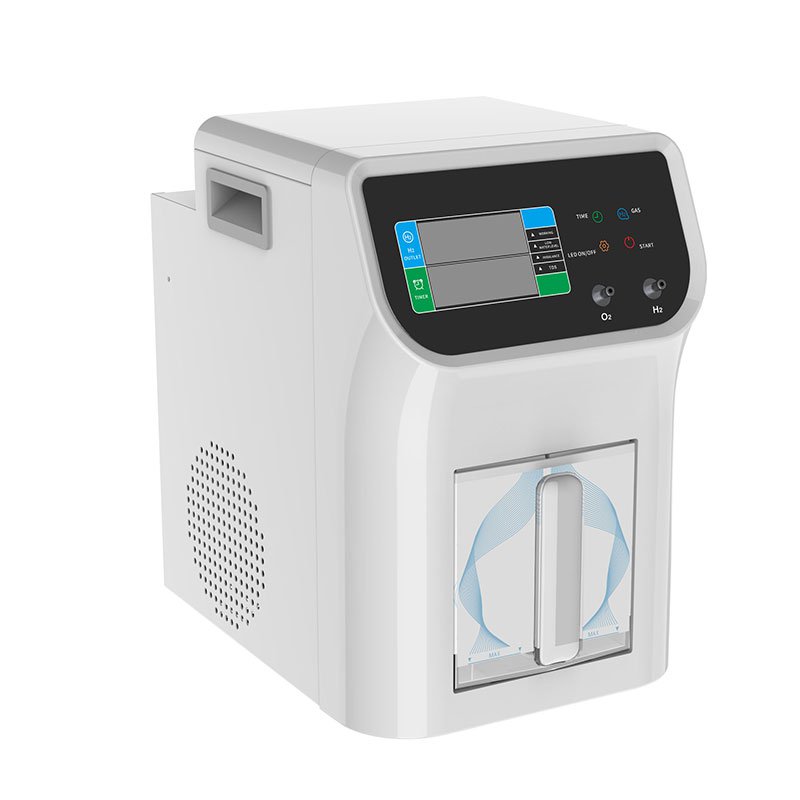
Membrane-based electrolysis systems can separate hydrogen from oxygen and produce a concentrated H₂ stream. When designed for inhalation, this is normally delivered through a nasal cannula so the user continues to draw in ordinary air as well.
The words “pure hydrogen” can sound impressive, but purity is not the only question. Actual output, dilution during breathing, gas quality, pressure control, leak management, ignition protection and verified safety features are all essential.
The safety question cannot be an afterthought
Hydrogen has a long history of controlled use, and low-concentration inhalation has shown a reassuring safety profile in several studies. But hydrogen is also highly combustible when it accumulates in air within its flammable range.
Recent research has drawn attention to reported explosions involving high-concentration hydrogen inhalers in Japan, including both equipment incidents and an internal airway explosion associated with an ignition source during a medical procedure. The authors recommended moving away from very high-concentration inhalation systems in favour of hydrogen concentrations at or below 10%.
This does not mean all hydrogen inhalation is inherently dangerous. It means that machine design, concentration, ventilation and the complete removal of flames, smoking materials, sparks and ignition sources are fundamental—not optional extras.
A credible inhalation system should clearly explain its gas concentration, flow, intended delivery method, certifications, alarms, ventilation requirements and ignition protections. If the supplier cannot provide this information, enthusiasm is no substitute for evidence.
What about combining hydrogen water and inhalation?
Hydrogen water remains the simpler and more familiar way for most people to explore molecular hydrogen. It supports hydration while delivering dissolved H₂ through the digestive system, and it does not require breathing apparatus or managing a combustible gas stream.
Inhalation provides a different pattern and potentially a much larger quantity of H₂. The two methods should not be treated as automatically interchangeable, and claims that combining them must produce superior health results go beyond what current clinical evidence can establish.
The sensible approach is to match the delivery method to the evidence and the intended purpose—not simply choose the machine with the largest number on its sales page.
The AlkaWay view

We have worked with water and hydrogen technologies for more than 26 years. During that time, one lesson has remained constant: specifications matter.
A hydrogen product should be judged by what it verifiably produces, how consistently it produces it, how it is used and whether the design is genuinely suited to that use. A hydrogen-water bottle with a tiny gas outlet should not be assumed to provide the same exposure as a purpose-built inhalation system.
For many households, clean hydrogen-rich drinking water remains the most straightforward place to begin. AlkaWay can help you compare hydrogen-water options and understand measurements such as dissolved H₂ concentration, output, water quality and ongoing use—without confusing impressive marketing language with meaningful performance.
Hydrogen inhalation deserves continued attention. The research is intriguing, particularly in controlled clinical settings, but responsible interest requires accurate measurements, realistic claims and serious safety engineering.
Before buying, ask the four questions that matter:
- What exactly does the machine produce?
- How much hydrogen does it genuinely deliver?
- What evidence supports the way it is being promoted?
- What independent safety features and instructions protect the user?
Those questions can separate a well-designed hydrogen system from little more than an attractive machine with a tube attached.
Research references
- Hydrogen Gas Inhalation Treatment in Acute Cerebral Infarction: A Randomized Controlled Clinical Study on Safety and Neuroprotection
- HYBRID II: inhaled hydrogen following out-of-hospital cardiac arrest
- Safety of Prolonged Inhalation of Hydrogen Gas in Air in Healthy Adults
- Molecular Hydrogen Therapy—A Review on Clinical Studies and Outcomes
- Emerging Clinical Applications for Molecular Hydrogen
- Preventable In-Body Hydrogen Explosions From High-Concentration H₂ Inhalers in Japan
This article discusses an emerging area of research and is intended for general education. Hydrogen inhalation is not established as a treatment for most medical conditions discussed in experimental or early clinical studies.